
 English
3D Printed Installation Art: Making Materials Part of Creativity

Art is not just something to be viewed; it can also be a space, an experience, or an interaction between people and materials.
From large-scale public art installations to futuristic spatial sculptures, installation art continues to push the boundaries of traditional art. Meanwhile, 3D printing technology is also bringing new possibilities to artistic creation. It allows complex geometric structures, repetitive modules, intricate surface textures, and shapes that are difficult to achieve with traditional processing to move from digital design to reality in a more flexible way.
When digital manufacturing meets installation art, creators gain not only a new production tool, but also a way to rethink form, structure, and materials.
01 It's not just about copying shapes, but about redefining art forms.
Traditional art creation is often limited by material processing methods, production costs, and structural complexity. 3D printing, however, transforms digital models into physical objects through a layer-by-layer molding process, providing artists with greater creative freedom.
For example, sculptures with continuous curved surfaces, interlocking geometric structures, abstract shapes with a sense of suspension, and large-scale installations composed of multiple independent components can all be designed and manufactured using 3D printing.
More importantly, 3D printing allows creators to repeatedly adjust proportions, structure, and details before the final production. An idea that initially exists only in digital space can be iterated multiple times and gradually developed into an artwork with real scale, tactile feel, and spatial expressiveness.
This flexibility is especially important for installation art. The work is no longer just a standalone object, but can connect with light, environment, space, and the movement of the viewer.
02 The material itself is also a kind of artistic language
In installation art, form determines the visual expression of the work, while materials further influence its texture, weight, color, and overall feel. 3D printing makes material selection an important part of the creative process.
FDM 3D Printing: Exploring Color, Texture, and Structure
FDM printing forms a solid by stacking molten material layer by layer. The printed layer texture, surface texture, and the color of the material itself can all become part of artistic expression.
For example, PLA Marble can present a visual texture close to that of stone, making it suitable for sculptures, architectural models, and art decorations with the beauty of natural materials; while PLA Matte can present a more restrained and simple visual style with a soft, low-reflective surface effect.
For installation components requiring a soft touch, flexible structure, or dynamic deformation, flexible materials such as TPU offer even more possibilities. Through proper structural design, creators can explore bendable, compressible, or interactive art elements.
ANTINSKY offers a variety of FDM 3D printing filaments, covering PLA series, PETG, TPU, and carbon fiber reinforced engineering materials, providing material options for different artistic shapes, structural prototypes, and functional parts. Specifically...Materials should be matched according to the size of the artwork, stress requirements, surface finish, and usage environment.
Photosensitive resin printing: capturing details and exquisite forms
Photosensitive resin printing offers unique advantages when a work requires finer surface details, more complex small structures, or precise styling.
Whether it's miniature sculptures, art figurines, intricate decorative components, or artistic prototypes with complex textures, resin printing helps creators achieve rich levels of detail. Standard resin, ABS-like resin, and other resins developed for different performance needs can be selected based on the model's precision, toughness, and post-processing requirements.
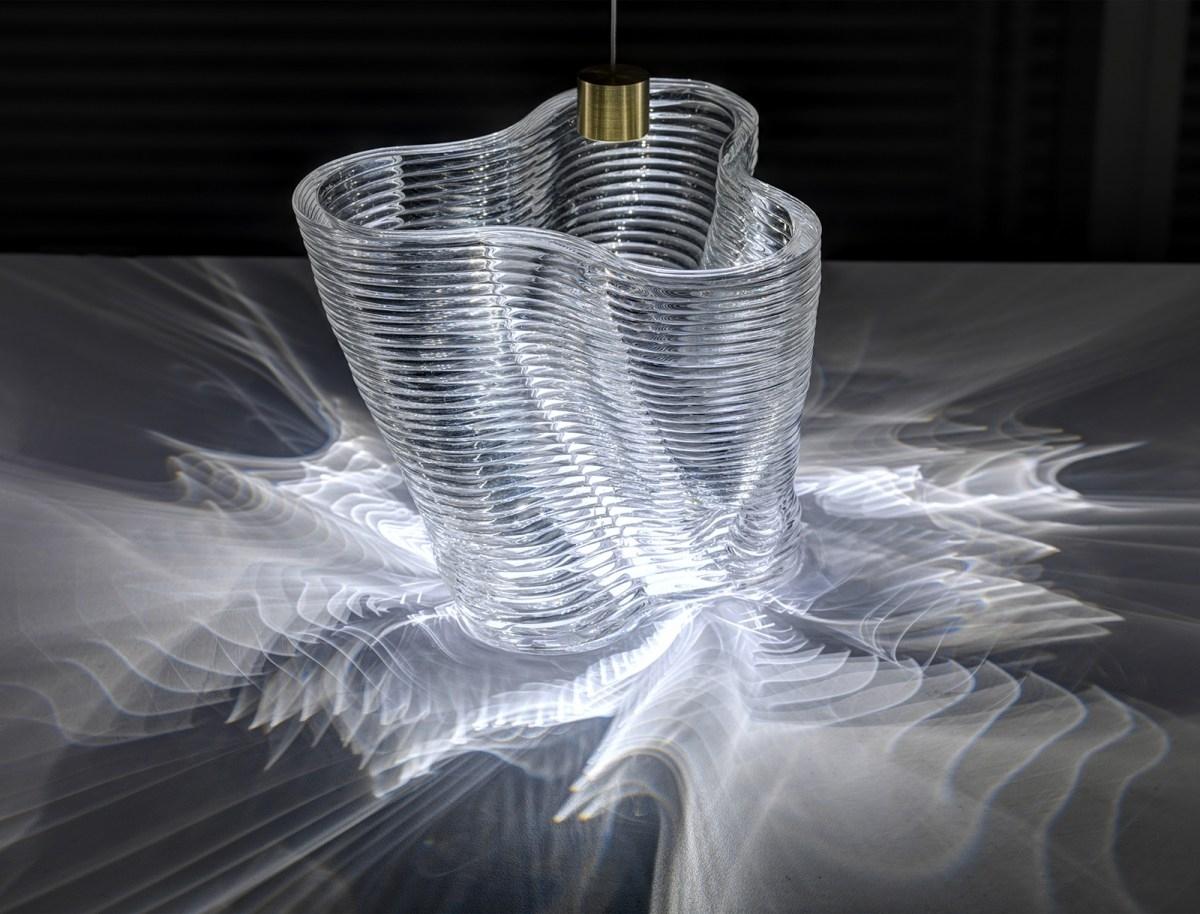
For art installations, transparent resin also offers a worthwhile direction to explore. Through different surface treatments such as transparent, translucent, frosted, or colored, the artwork can create changes in light refraction, transmission, and visual depth.
03 When Art Turns to Metal: Structure, Weight, and Industrial Aesthetics
If plastic consumables and photosensitive resins provide artistic creation with a wealth of creative freedom, then metal 3D printing further expands the boundaries of art installations in terms of material properties and structural design.
Metal additive manufacturing, through processes such as laser powder bed melting, can create metal parts with complex internal structures, hollow shapes, and intricate geometric features. These technologies offer new approaches to the production of metal sculptures, architectural decorations, public art components, and works with complex interconnected structures.
The texture, weight, reflective properties, and durability of metal allow it to express an artistic language distinct from plastics and resins. Designers can combine metal structures with light, mirror reflections, spatial suspension, or other materials to create works that possess both visual tension and structural expressiveness.
It's important to note that metal 3D printing typically requires specialized equipment, process control, and post-processing, which differs from common desktop FDM printing. For creators, depending on the specific needs of their work, they can choose direct metal additive manufacturing, or create prototypes, molds, and supporting components through 3D printing, and then combine this with traditional metalworking to complete the final piece.

04 From Single Artwork to Immersive Space
The charm of installation art lies in the relationship between the artwork and the space.
With the help of 3D printing, artists can break down a complex design into multiple independently manufactureable modules, and then create larger-scale art structures by splicing, combining, and repeating them. The combination of different colors, materials, and surface effects can also create rich visual rhythms.
For example, combining the stone-textured PLA Marble components with a metal frame can create a contrast between natural texture and industrial aesthetics; using transparent resin and lighting can allow for the exploration of spatial installations where light and shadow intertwine; and flexible TPU structures can bring more dynamic changes to interactive art.
In these creations, 3D printing doesn't necessarily have to be the main element. It can also be hidden inside the structure, serving as a connection, support, fixation, or functional component, allowing artistic ideas to be realized more completely.

05. Give every material the opportunity to express itself.
From desktop sculptures to large-scale spatial installations, from delicate resin models to complex metal structures, 3D printing is forging a closer connection between artistic creation and digital manufacturing.
Technology itself does not determine the value of a work, but it can help creators break through existing production limitations and give more experimental ideas the opportunity to be realized.
For artists, designers, and 3D printing enthusiasts, exploring different printing materials, molding methods, and post-processing techniques is both a technical practice and an integral part of artistic creation.
ANTINSKY continues to offer a variety of 3D printing materials, including FDM filaments and photosensitive resins, to support creators in exploring more possibilities based on different shapes, textures, and structural needs.
When creativity meets the right materials, digital models no longer remain on the screen, but can truly enter the space and connect with light, environment, and audience.
Easy to print, making 3D printing another language of artistic expression.


