
 English
3D Printing Aesthetics: When Digital Creativity Meets Material Art, Redefining the Boundaries of Des
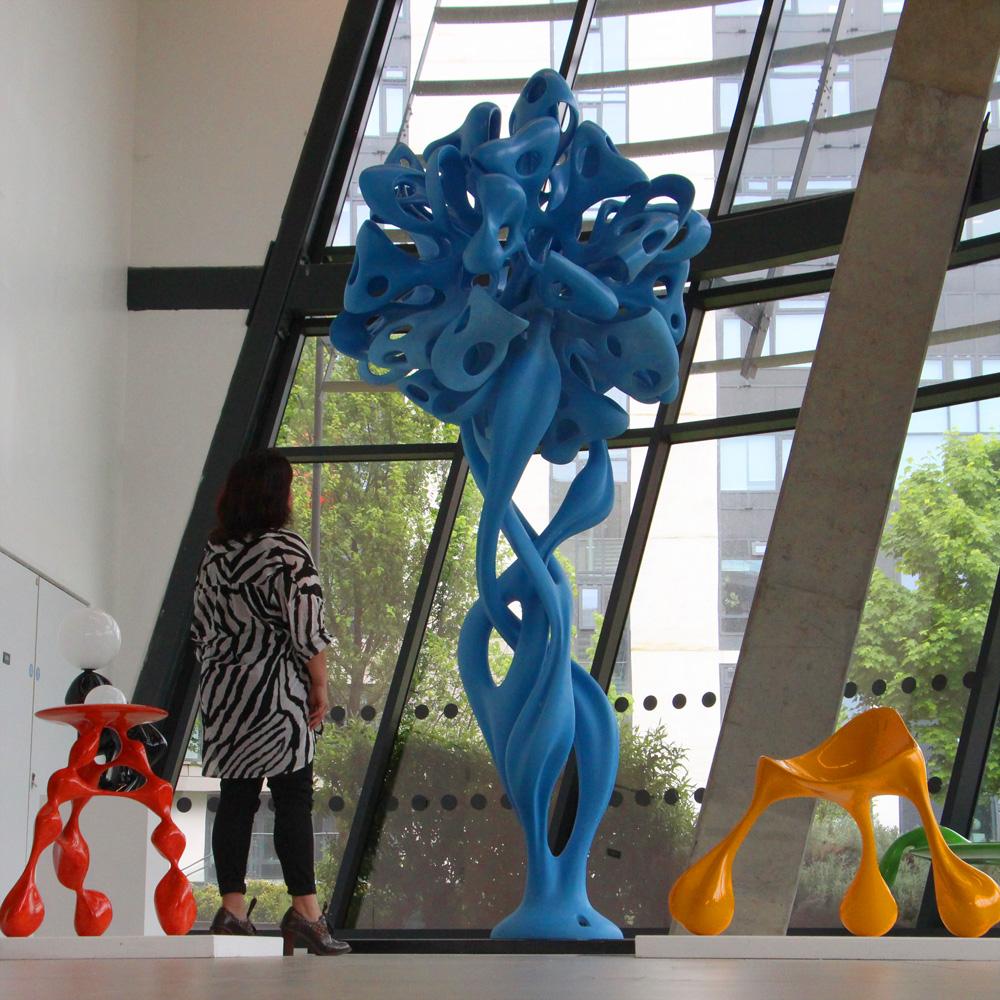
The ways in which art is expressed are constantly evolving. From stone carving and ceramic sculpting to metal casting and digital modeling, each innovation in tools and materials opens up new imaginative spaces for creators.
The emergence of 3D printing has brought artistic creation into a more free stage.
It transforms digital models into real objects, making complex curved surfaces, intricate openwork structures, repetitive yet orderly geometric patterns, and internal structures that are difficult to achieve with traditional techniques a reality. Creators are no longer just processing existing materials; they can start with a digital model and rethink how form is generated, how materials are presented, and how the work connects with space and the audience.
The aesthetic value of 3D printing lies not only in what it can print, but also in the entirely new ways it allows us to create.
I. From Digital Models to Artworks: Aesthetic Changes Brought About by Freedom of Form
Traditional manufacturing is often limited by molds, processing tools, and material forming methods. For complex artistic designs, creators may need to repeatedly sculpt, assemble, or make specialized molds. 3D printing offers an alternative path: first establishing the form in digital space, and then transforming the design into a physical entity through layer-by-layer manufacturing.
This approach brings several noteworthy aesthetic possibilities to art and design.
1. The beauty of geometry: allowing order and change to coexist.
Symmetry, repetition, rotation, gradation, and fractals are common visual languages in many works of art. Through parametric modeling, designers can adjust curves, spacing, angles, and structural density to generate works that possess mathematical order yet are full of variation.
For example, spiral vases, geometric lampshades, openwork sculptures, and complex crystal shapes can all be explored using digital modeling and 3D printing. Rules no longer mean monotony; repetition can also create a rich sense of rhythm.
2. The Beauty of Organic: Giving New Expression to Natural Forms
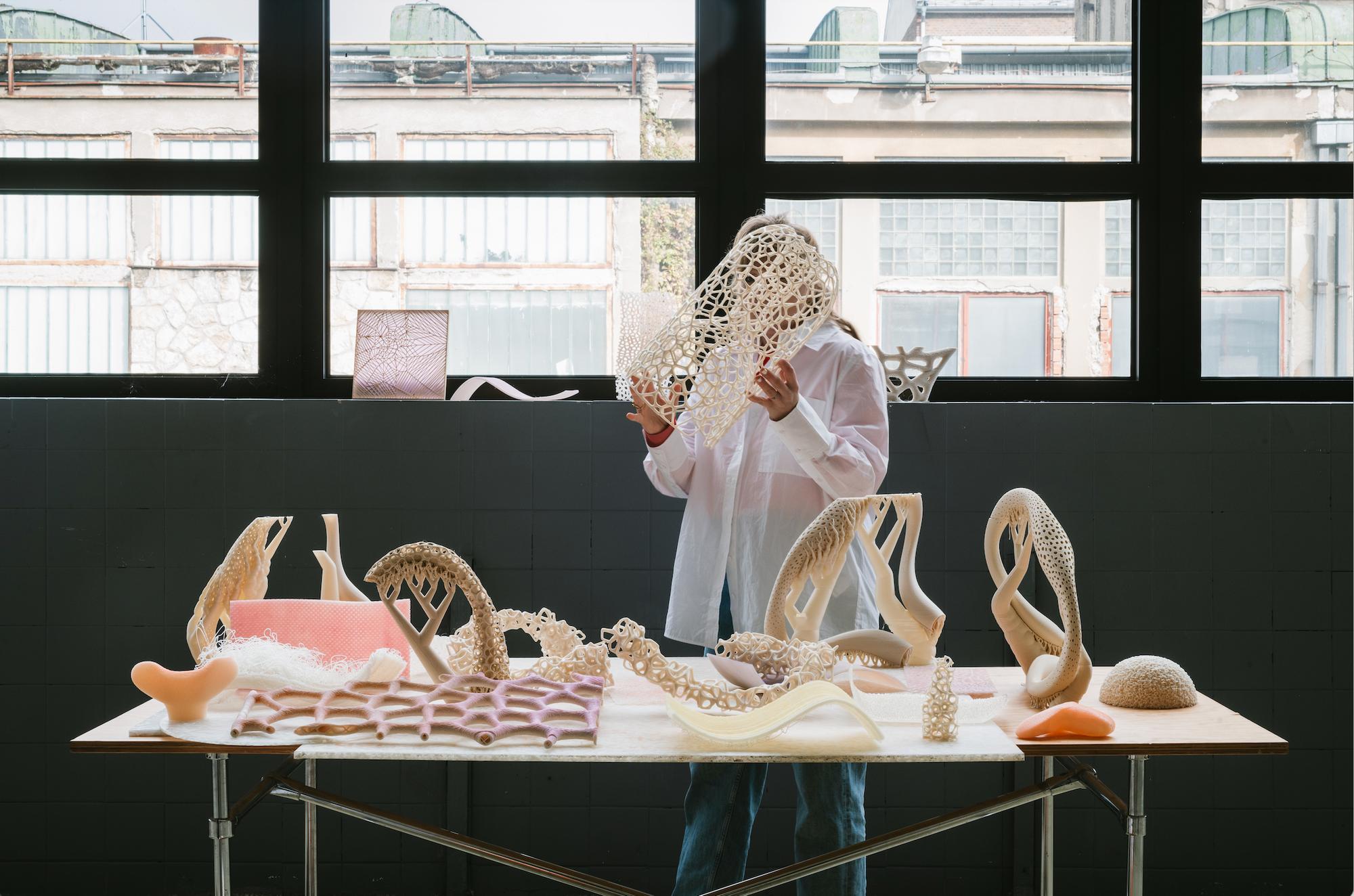
The veins of plants, the structure of corals, the skeletal forms, and the curves of water flow in nature provide a wealth of inspiration for artistic creation. 3D printing makes it easier for creators to experiment with complex branching structures, continuous curved surfaces, and irregular cutouts, merging natural forms with digital design.
These works can be independent art sculptures, or they can be lamps, vases, tabletop ornaments or home decorations, allowing art to move from exhibition spaces into daily life.
3. The beauty of structure: making internal structure a visual language
Traditional products often emphasize the integrity and smoothness of the appearance, while 3D printing can directly integrate lattices, meshes, holes and stacked structures into the design.
Structure is no longer just a technical means to support the work; it can also become the main body of the work. Light passes through the hollowed-out parts, casting changing shadows on the wall; grids of different densities create a contrast between reality and illusion; and layers of curved surfaces present a unique rhythm—all of these give the work a richer visual depth.
Of course, truly excellent art and design do not simply pursue complexity. Simple outlines, appropriate white space, and control of proportion and scale can also present an impressive aesthetic.
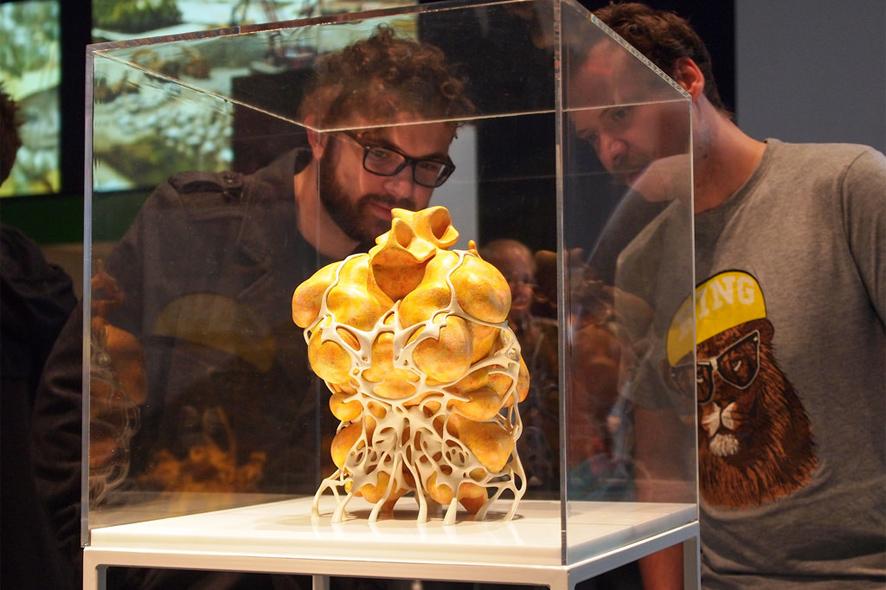
II. Materials are also part of the design: from color and texture to light and shadow.
If digital modeling determines the form of a work, then materials determine its final visual character.
The same model, printed using different colors, gloss levels, surface textures, and translucency effects, can present drastically different artistic styles. Materials are not merely a medium for bringing design from the virtual world into reality; they are also an important component of artistic language. Related research also indicates that the color and surface properties of polymer materials offer more possibilities for visual expression in contemporary sculpture.
In 3D printing art creation, the aesthetic value of materials can be understood from three perspectives.
1. Color Aesthetics: Letting Color Participate in Narrative
Color can influence the mood and atmosphere of a work of art.
Pure white and light gray are suitable for highlighting form, shadow and structural details; black can enhance contours and visual tension; bright contrasting colors are suitable for pop art and modern decorating styles; gradient colors can make continuous curved surfaces appear fluid.
For creators who wish to explore color expression, the ANTINSKY PLA series can be one of the material choices for creating art models.
ANTINSKY PLA Matte: Suitable for matte ornaments, minimalist sculptures, and geometric decorations, allowing the visual focus to return to the contours and shapes.
ANTINSKY PLA Marble: Perfect for vases, sculptures, and home décor with a stone-like visual style, adding a textured look similar to natural stone to digital models.
ANTINSKY PLA Luminous: Perfect for exploring color changes and light effects under ultraviolet light, adding new visual layers to interactive installations, themed decorations, and fun artworks.
ANTINSKY PETG-Rainbow: Suitable for decorative models with continuous curved surfaces, spiral structures, and gradient effects, allowing color to become part of the form.
· The significance of these materials is not merely to give the model more colors, but to allow designers to re-plan the visual focus of the work around color. When selecting materials, tests should also be conducted in conjunction with the actual color effect, printing direction, model shape, and lighting environment.
· 2.Texture Aesthetics: Preserving the Traces of Materials and Manufacturing
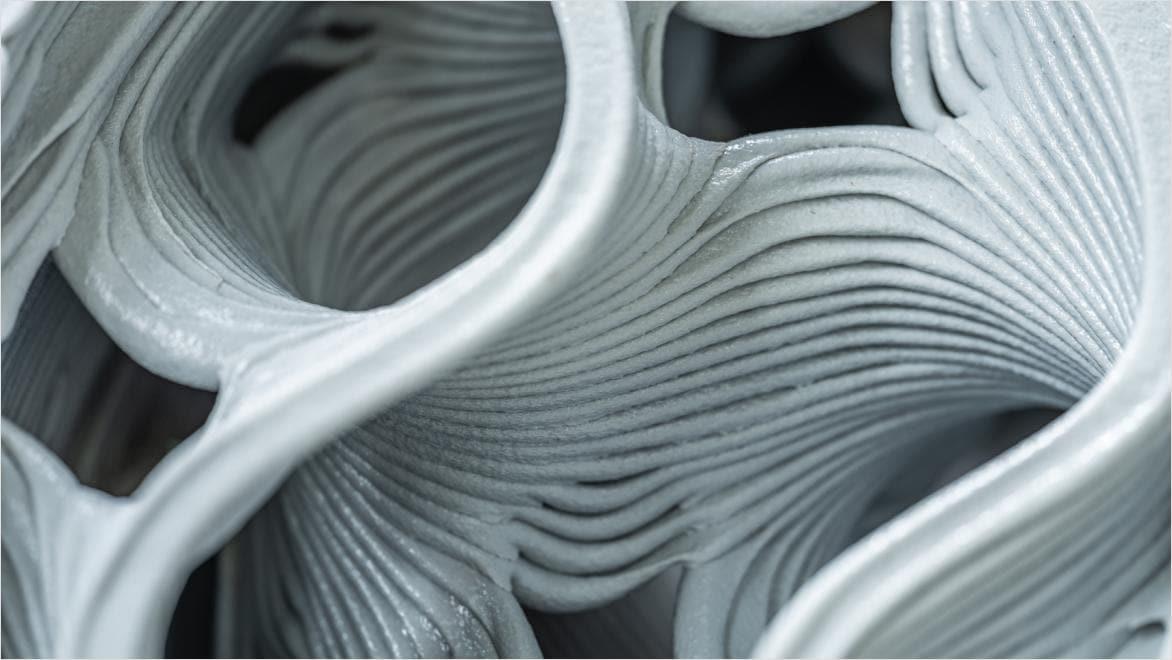
· In traditional aesthetics, fine polishing is often seen as a reflection of craftsmanship. However, in contemporary design, roughness, texture, layering, and manufacturing marks can also be conscious artistic expressions.
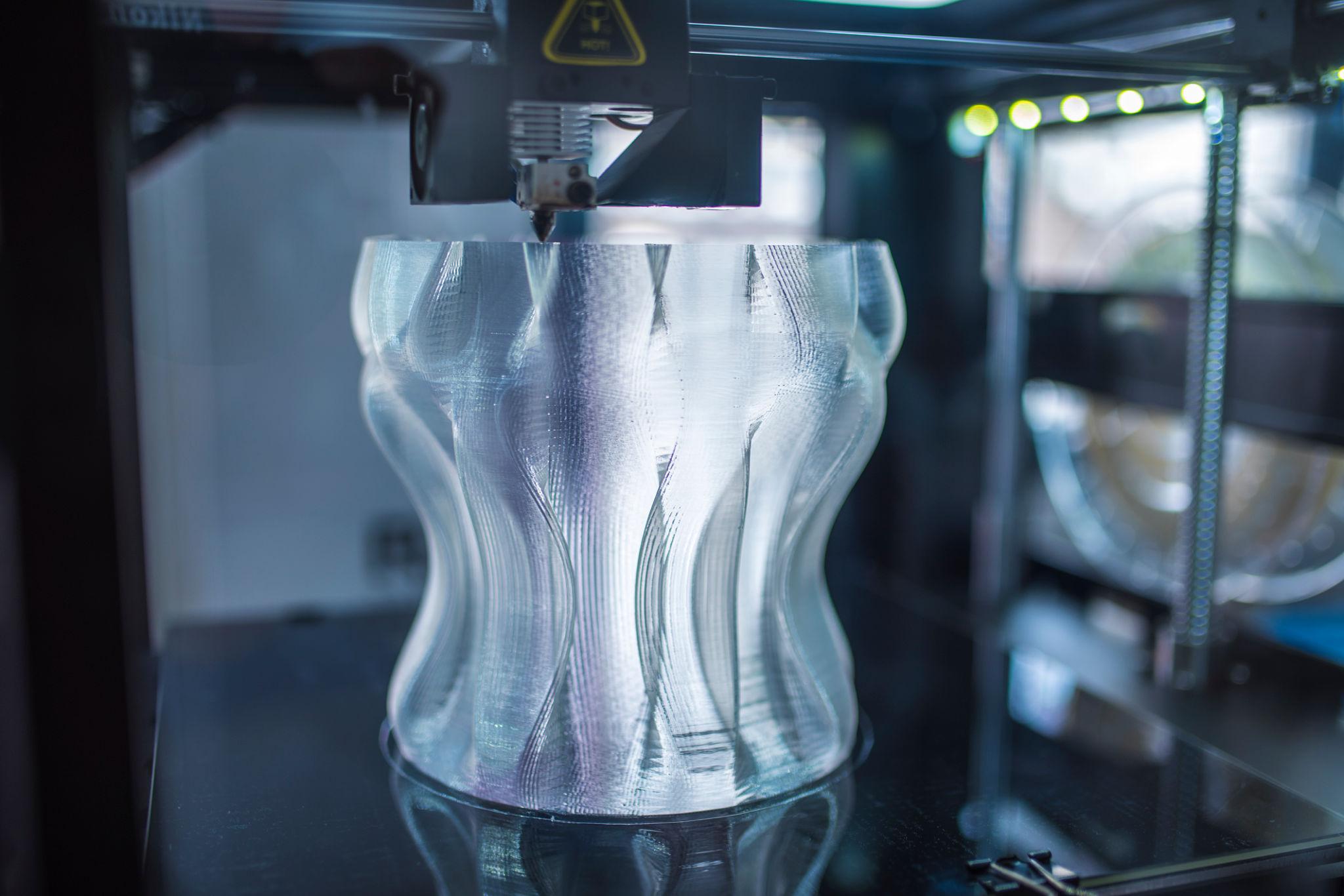
· FDMThe unique layer-by-layer stacking method of printing itself forms a recognizable surface language. Designers can use the direction and spacing of the layers to enhance the curves, or use spiral printing, special lines, and repeating textures to involve the manufacturing process in the final expression of the work.
· For example, a vase with regular layered patterns on its surface can evoke images of tree rings, strata, or fabric; a sculpture with a dense grid structure may present a light, precise, or even futuristic visual effect.
· The key here is not to deliberately hide all printing marks, but to determine which marks should be preserved and which need further processing through sanding, filling, or painting.
· 3.Aesthetics of Light and Shadow: Allowing artwork to change with its environment
· Light can give static works a dynamic visual experience.
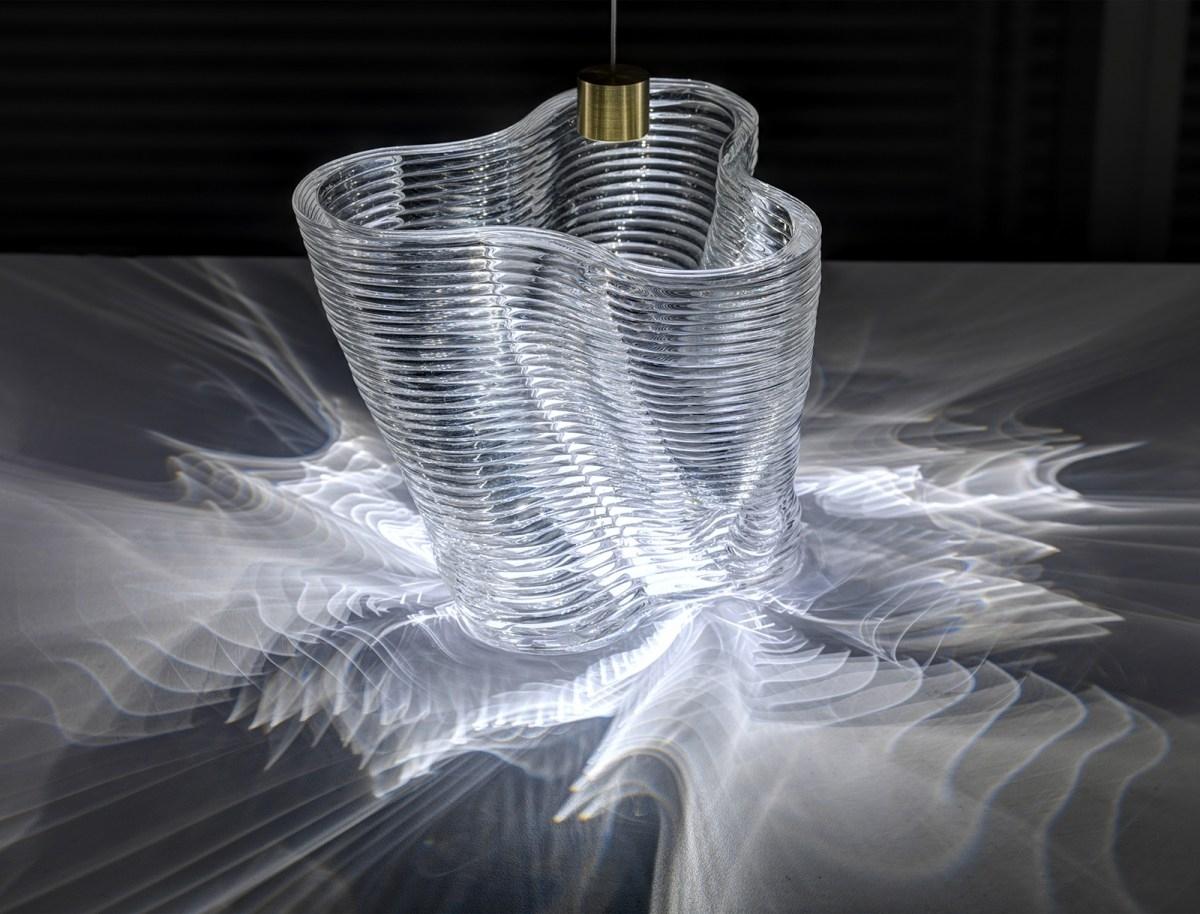
· A perforated lampshade can transform a structure into a pattern of light and shadow on a wall; translucent materials can produce a soft, translucent effect; and complex curved surfaces can present different light and shadow relationships depending on the viewing angle.
· In this design, the artwork is no longer merely composed of materials and form; light, space, and the viewer's perspective also become part of the complete aesthetic experience. Research on digital sculpture also focuses on how light affects transparency, the sense of time and space, and how digital forms become perceptible entities through layer-by-layer manufacturing.
· This also means that when designing an artwork, in addition to considering the model itself, you can also plan the placement, background color, light source direction and viewing distance in advance, so that the printed product can truly blend into the environment.
· III. From Artistic Ornaments to Everyday Design: How 3D Printing is Entering Daily Life
· The artistic value of 3D printing is not limited to museums, design exhibitions, or experimental sculptures. It can also enter people's lives through everyday items, blending practical function with aesthetic expression.
· Home Decor: Make everyday items the visual focal point of your space.
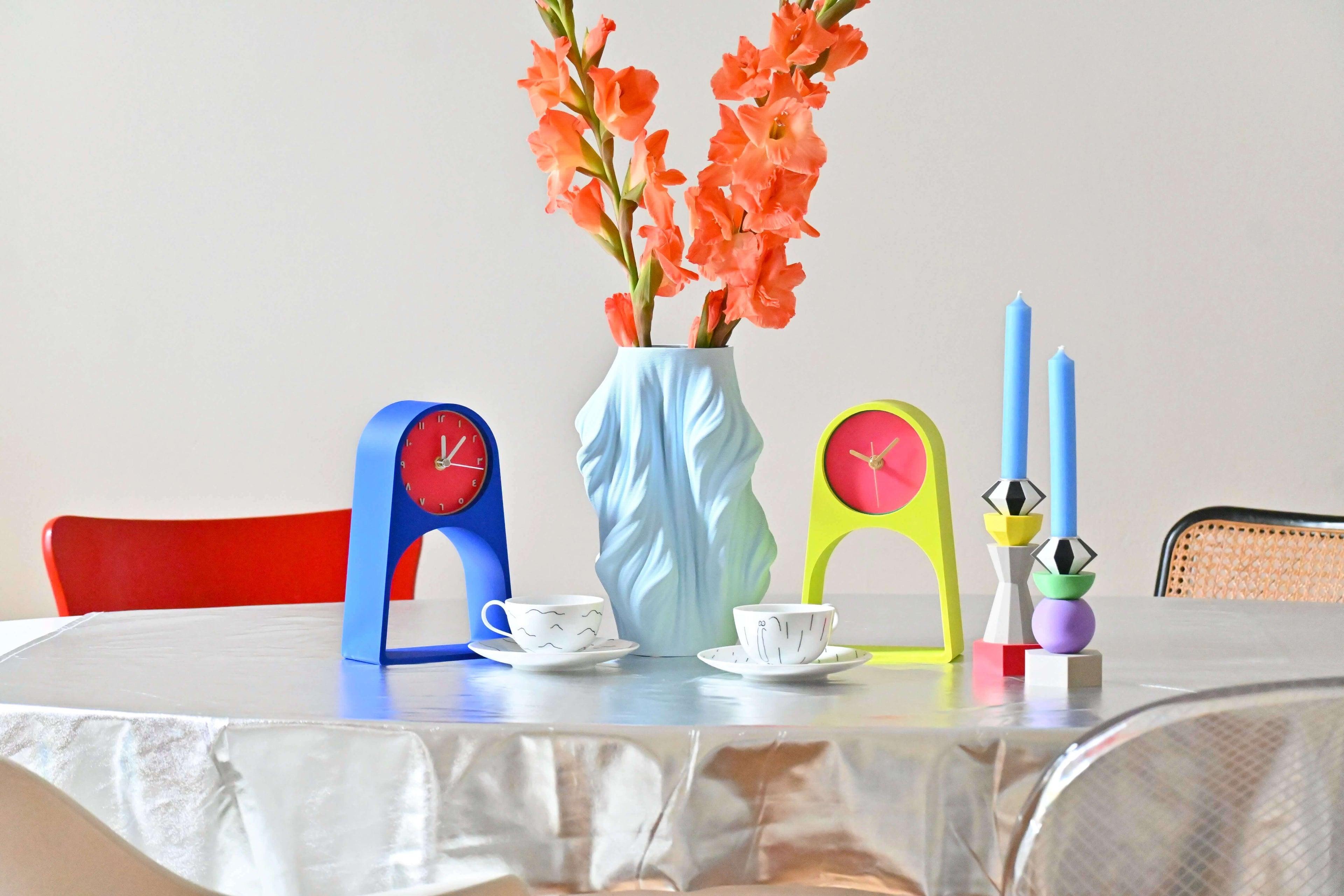
· Vases, lampshades, candlestick decorations, tabletop ornaments, flower pots, and wall decorations can all be given more personalized forms through parametric modeling. Compared to simply pursuing decorative effects, 3D printing also allows designers to adjust the model according to the space size, color scheme, and usage needs, so that the product forms a more natural connection with the living environment.
· Fashion accessories: breaking through the limitations of traditional manufacturing.
· Earrings, brooches, necklace pendants, and clothing accessories can benefit from openwork designs, repeating geometric shapes, and lightweight silhouettes. Designers can also adjust sizes, colors, and structures to suit the wearer's aesthetic preferences, making personalized designs easier to achieve.
· Art toys and miniature worlds: making imagination tangible.
· Fantasy creatures, architectural miniatures, art figurines, and desktop collectibles can all be presented with intricate shapes and details through sophisticated digital modeling. For independent creators, 3D printing also lowers the barrier to entry for small-batch production, allowing an immature idea to be tested in physical form first.
· These applications collectively reflect a trend: the boundaries between art and design are becoming more flexible. Items can be both functional and emotionally expressive; suitable for mass production as well as tailored to individual needs. The combination of parametric design and 3D printing has been used to explore personalized fashion products and versatile design languages.
· For ANTINSKY, this is also a direction worth exploring in the application of consumables: materials not only serve the manufacturing of parts, but can also become part of home aesthetics, art design and personal creation.
· IV. AI and Parametric Design: The Next Possibility of 3D Printing Art
When 3D printing is combined with artificial intelligence, parametric modeling, and digital manufacturing, artistic creation is finding new directions for exploration.
In the past, creators might have needed to build models from scratch; now, generative tools can assist in exploring forms, combining elements, and generating textures, which designers can then select, modify, and optimize. Ultimately, digital designs are transformed into real works through 3D printing, forming a complete process from creative generation to physical manufacturing.
This change does not mean that machines will replace artists. On the contrary, it allows creators to focus more on aesthetic judgment, conceptual expression, and material experimentation.
In the future, noteworthy directions for 3D printing art include:
Generative art: Creating unique sculptural forms based on natural laws, mathematical formulas, or textual concepts.
Personalized creation: Customize home furnishings, art accessories, and collectible models according to individual preferences.
Interactive installations: Combining light, motion, sensors, and printed structures to allow the artwork to respond to the environment or the audience.
Cross-material and cross-process creation: Combine 3D printing with wood, metal, fabric, ceramics or traditional handicrafts to explore the visual dialogue between different materials.
Digital art materialization: Making digital works no longer confined to the screen, but into physical objects that can be touched, placed, collected, and displayed.
Recent research on generative artificial intelligence and 3D printed sculptures is also exploring collaborative processes from algorithm generation and parameter adjustment to material conversion and physical manufacturing. It also points out that complex digital forms still need to undergo structural and manufacturability verification.
Therefore, technological advancements not only allow us to print more complex models, but more importantly, they enable artists to establish a more flexible creative relationship between digital concepts and physical materials.
V. From Screen to Reality: Artistic Creation Still Requires an Understanding of Materials
While 3D printing expands the boundaries of artistic creation, digital models cannot necessarily be transformed into the desired physical objects.
Overly delicate structures may be difficult to shape stably, complex overhanging areas may require support, and the printing direction will also affect the surface texture and structural representation. The gloss, color, shrinkage characteristics, and forming state of different materials will also change the final appearance of the artwork.
This is also a key difference between 3D printed art and traditional digital drawing: creators not only need to design the form, but also need to understand the materials and manufacturing process.
To achieve a more ideal visual effect in your work, you can start from the following aspects:
First, define the artistic theme. Determine the emotions, style, and visual focus that the work aims to convey, and then choose appropriate visual language.
Incorporate materials into the design. Don't wait until the model is finished to consider materials; instead, plan the colors, surface textures, translucency, and layering effects in advance.
Verify the design using small-scale prototypes. Conduct localized tests on complex structures, thin walls, and special curved surfaces to observe the actual molding effect and then decide whether to adjust the model.
Choose appropriate post-processing methods. Depending on the needs of the artwork, choose to preserve texture, sand the surface, apply partial paint, or use other treatment methods.
Consider the display environment of the artwork. Lighting, background, placement height, and viewing angle can all affect the overall presentation of the artwork.
For creators, successful printing is only the first step. Achieving true unity between form, materials, and expressive intent is a crucial step in creating an excellent work.
VI. ANTINSKY: Making materials a part of creative expression
For 3D printing consumables brands like ANTINSKY, art and aesthetics are also areas worth exploring in the application of materials.
From matte geometric sculptures to decorative vases with a stone-like visual effect, and curved artworks with color gradients, different materials can provide creators with different ways of expression.
For example, ANTINSKY PLA Matte is suitable for experimenting with modern decorating styles that emphasize form and contour; PLA Marble can be used to explore the combination of stone texture and digital shapes; and PETG-Rainbow is suitable for showcasing the visual relationship between gradient colors and continuous curves.
For artists, the choice of materials does not simply determine whether a model can be printed; it also plays a role in determining the final style of the work.
ANTINSKY aims to provide model creators, designers, and art enthusiasts with more room for exploration through a wide selection of 3D printing materials. Whether creating a unique desktop sculpture, a set of personalized home decorations, or attempting to transform digital art into physical works, creativity can begin from the moment you choose the form and materials.
For more information on ANTINSKY 3D printing materials and products, please visit the official website:
Technology gives creative freedom, while aesthetics give meaning to works.
3D printing is changing the way art is created, but technology itself is not art.
Truly moving works still stem from the creator's understanding of form, proportion, color, material, and emotion. The unique aspect of 3D printing lies in its ability to provide richer pathways to realizing these ideas, and to enable more people to participate in design, experimentation, and creation.
From a vase or an ornament to a complex digital sculpture, 3D printing is blurring the lines between art and manufacturing, function and decoration, and digital and reality.
When digital creativity meets materials, and when the manufacturing process becomes a design language, 3D printing is no longer just a manufacturing technology, but an art medium that constantly expands its possibilities.
The future of 3D printing aesthetics may not lie in pursuing the most complex shapes, but in finding the right way to express each form, each material, and each creation.


