English
From Model to Functional Parts: ANTINSKY ABS-like Resin × HeyGears
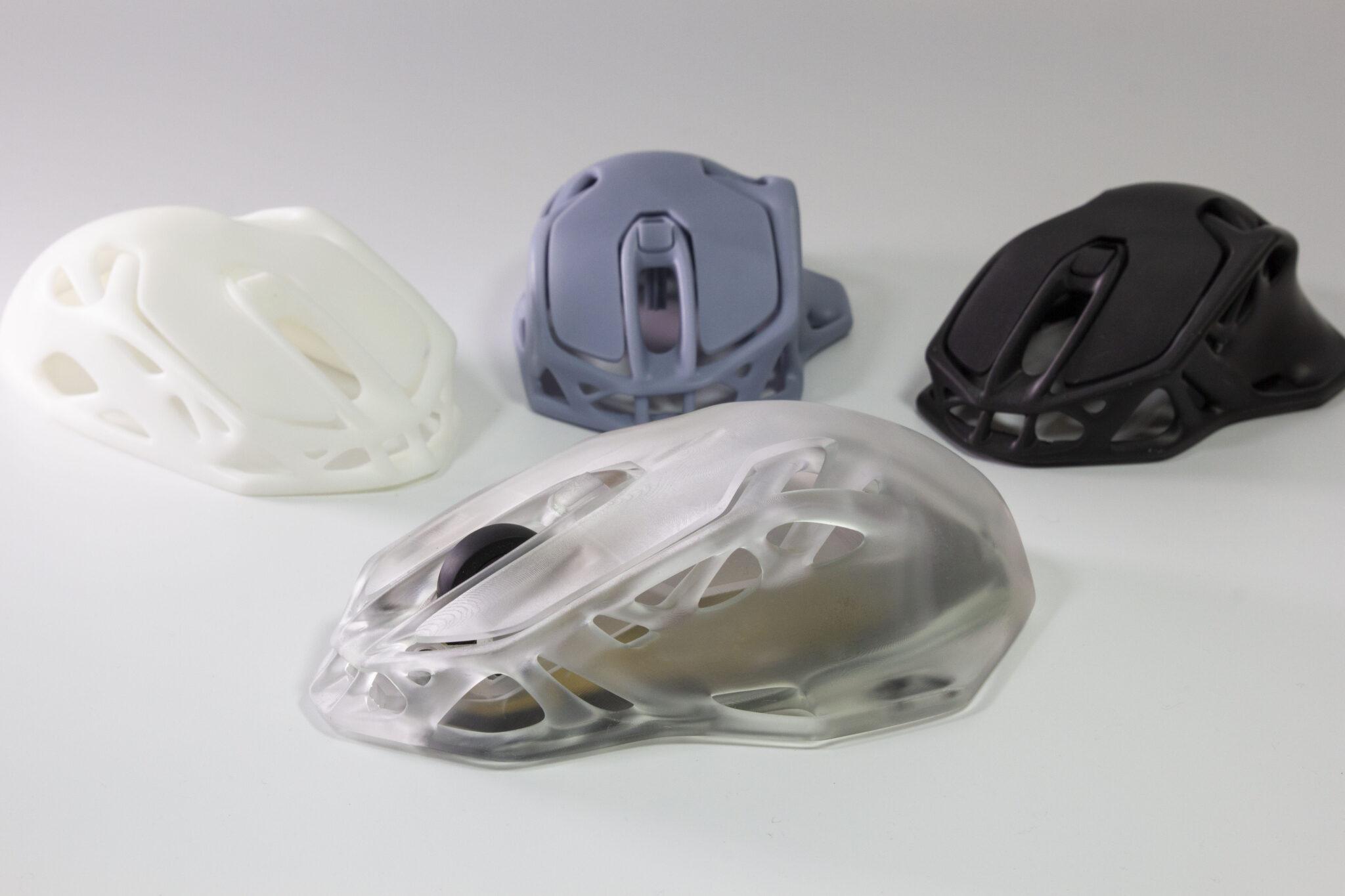
When printed objects move from display models intostructural validation, functional testing, assembly verification, and product prototype developmentstages, the material's strength, toughness, dimensional performance, and printing stability will directly affect the final results.
To further verify the material's performance in real-world applications, ANTINSKY ABS-like Resin was paired withHeyGears 3D printersfor engineering part printing tests.
This test selectedscissors, battery boxes, and other products with actual structural and assembly requirementsas printing targets, exploring the application potential of ABS-like resin in engineering prototypes and functional parts — from fine structural reproduction to overall molding quality.
It's not just about "printing it out" — it must also meet real-world usage requirements
For engineering parts, completing the print is only the first step. A truly valuable functional prototype needs to reproduce the product'sstructure, dimensions, and assembly relationshipsas faithfully as possible during the design validation process, while also possessing certain mechanical properties to help designers complete subsequent testing more efficiently.
ANTINSKY ABS-like Resin is a material specifically designed for this type of requirement.
Its ABS-like material characteristics allow printed parts toachieve a balance between strength, toughness, and impact resistancemaking it suitable for product prototypes, structural parts, functional validation parts, and various 3D printing applications that require actual handling. HeyGears' official material system also applies ABS-like materials to functional parts, product housings, and structural applications, emphasizing dimensional accuracy, impact performance, and long-term stability.
01|Fine structural reproduction, bringing complex designs to life
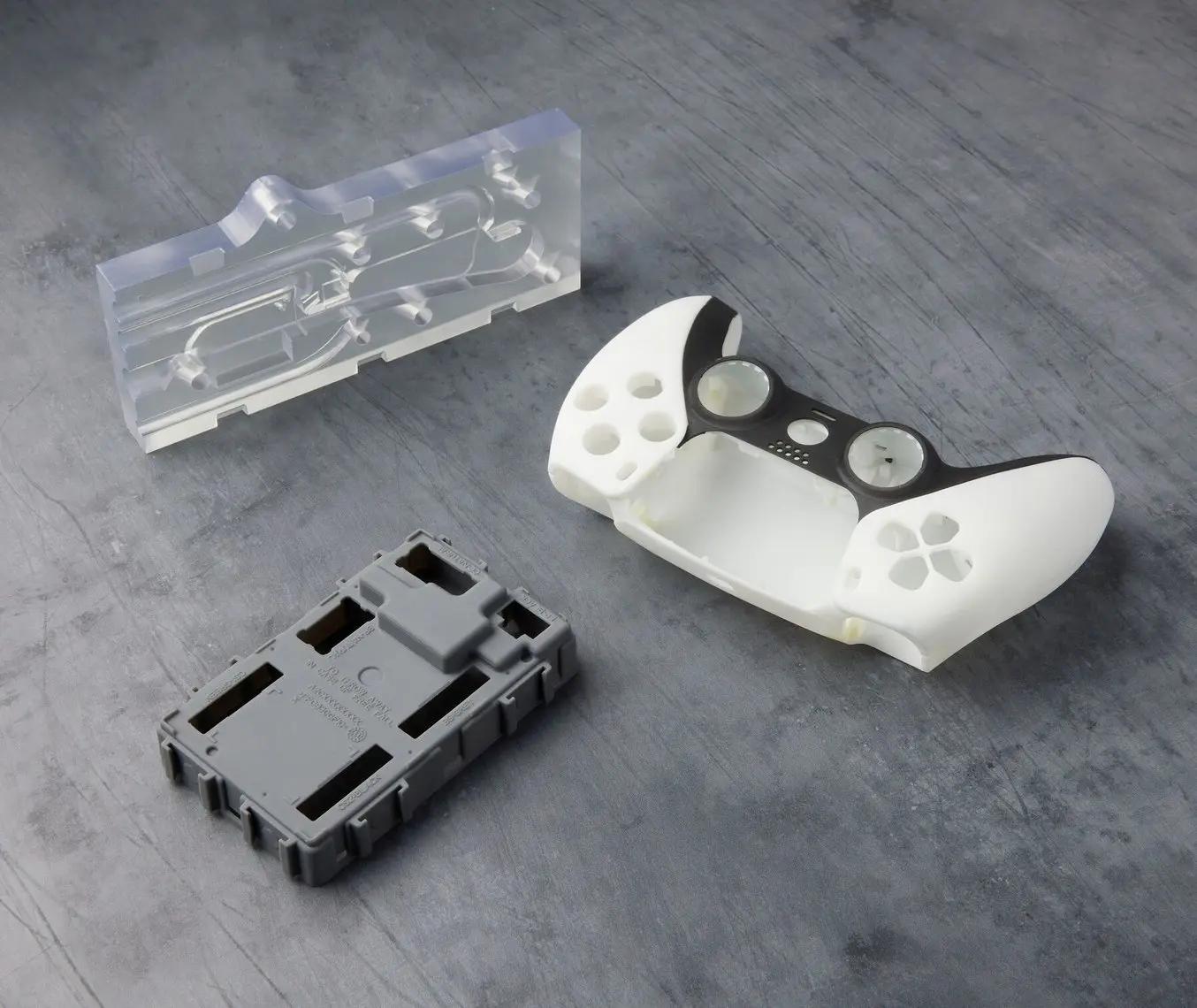
Engineering products often contain numerous fine structures. The scissors' handles, pivot areas, and the connection relationships between different components all impose requirements on printing precision. Based on the results of this print test, ANTINSKY ABS-like Resin is able to faithfully reproduce the detailed structures in the model, allowing complex geometries to be fully presented. For designers, this means 3D printing can be used not only for early appearance confirmation, but also for further participation instructural design validation and product development processes. Especially before the product goes into official mold production, physical samples can be quickly obtained through 3D printing to validate structure, dimensions, grip feel, and assembly relationships.
From digital model to physical sample, making design validation faster.
02|Balancing strength and toughness, suitable for functional engineering parts
One of the biggest differences between engineering parts and ordinary display models is that they need to "work." Scissors need to open and close repeatedly, and battery boxes require assembly, disassembly, and structural fitting — so printed parts cannot merely pursue surface appearance; they must also possess certain mechanical properties. One of the core advantages of ABS-like Resin is its ability toachieve a good balance between rigidity, toughness, and impact resistance
This type of material is particularly suitable for:
Functional product prototypes
Engineering structural validation
Mechanical components
Product housings
Assembly test parts
Tooling and fixture prototypes
Consumer electronics structural parts
Small-batch functional samples
HeyGears' current material system also classifies ABS-like materials as suitable for functional parts and product housings, emphasizing their dimensional accuracy and impact resistance. This material characteristic is especially important for product development processes that need to move from "looking right" to "working in practice."
03|Compatible with HeyGears printers, further enhancing the printing experience
Material performance is one thing, butthe match between the material and the printing equipment is equally important. Different resins vary in viscosity, exposure response, and curing characteristics, so appropriate printing parameters have a significant impact on print success rate and molding quality.
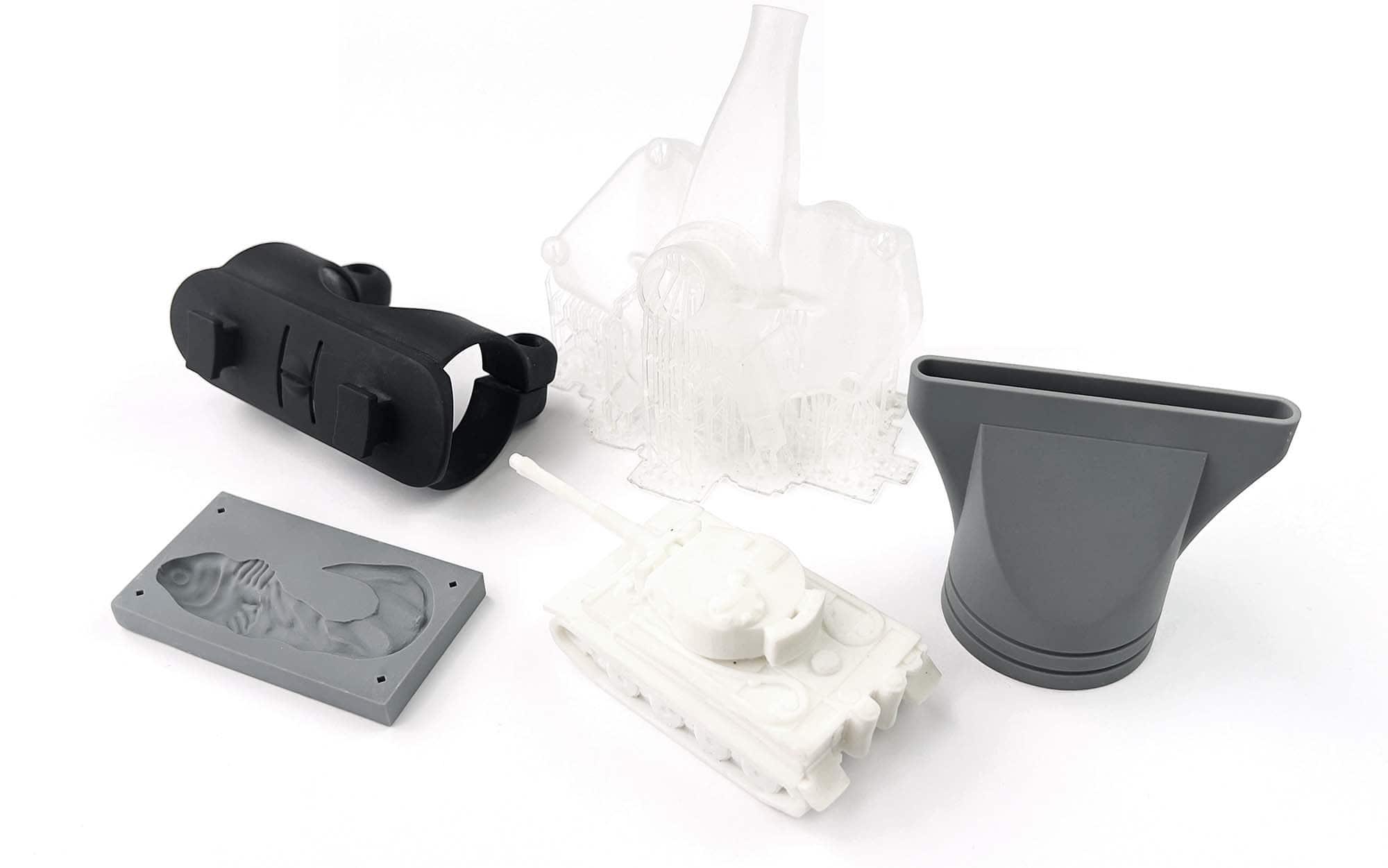
This test usedANTINSKY ABS-like Resin + HeyGears 3D printersfor printing, with parameter adaptation performed specifically for the equipment. We also provide the correspondingHeyGears printing parametersto help users complete material switching and print testing more quickly. HeyGears also officially adopts a process package/parameter system for different materials and equipment, and advises users to match according to the Process Package in their software.
This means users do not need to start from completely unfamiliar parameters and engage in repeated trial and error, but can print based on validated parameters and then fine-tune according to the actual equipment and model.
Recommended printing parameters:
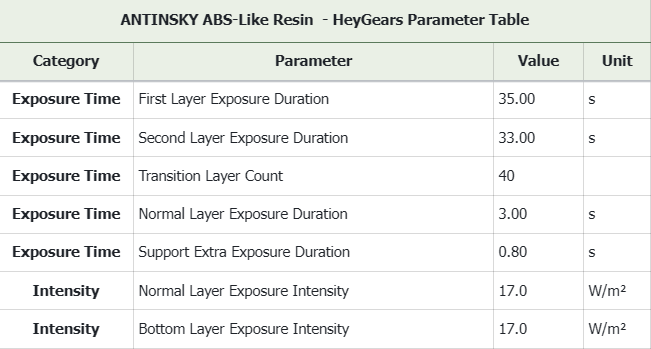
HeyGears printers
Material: ANTINSKY ABS-like Resin
Print mode: Please select according to the corresponding equipment/software version
Parameter file: ANTINSKY × HeyGears adaptation parameters
For specific exposure, layer thickness, base layer parameters, and post-curing parameters, please refer to the latest parameter file provided by ANTINSKY.
05|More than one color, meeting different application needs
Beyond performance, the material's color options can also affect the presentation of engineering prototypes.
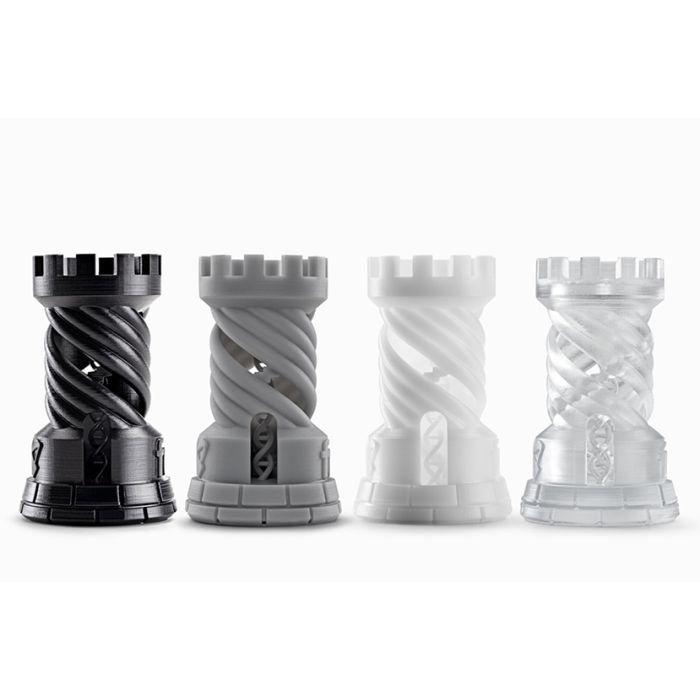
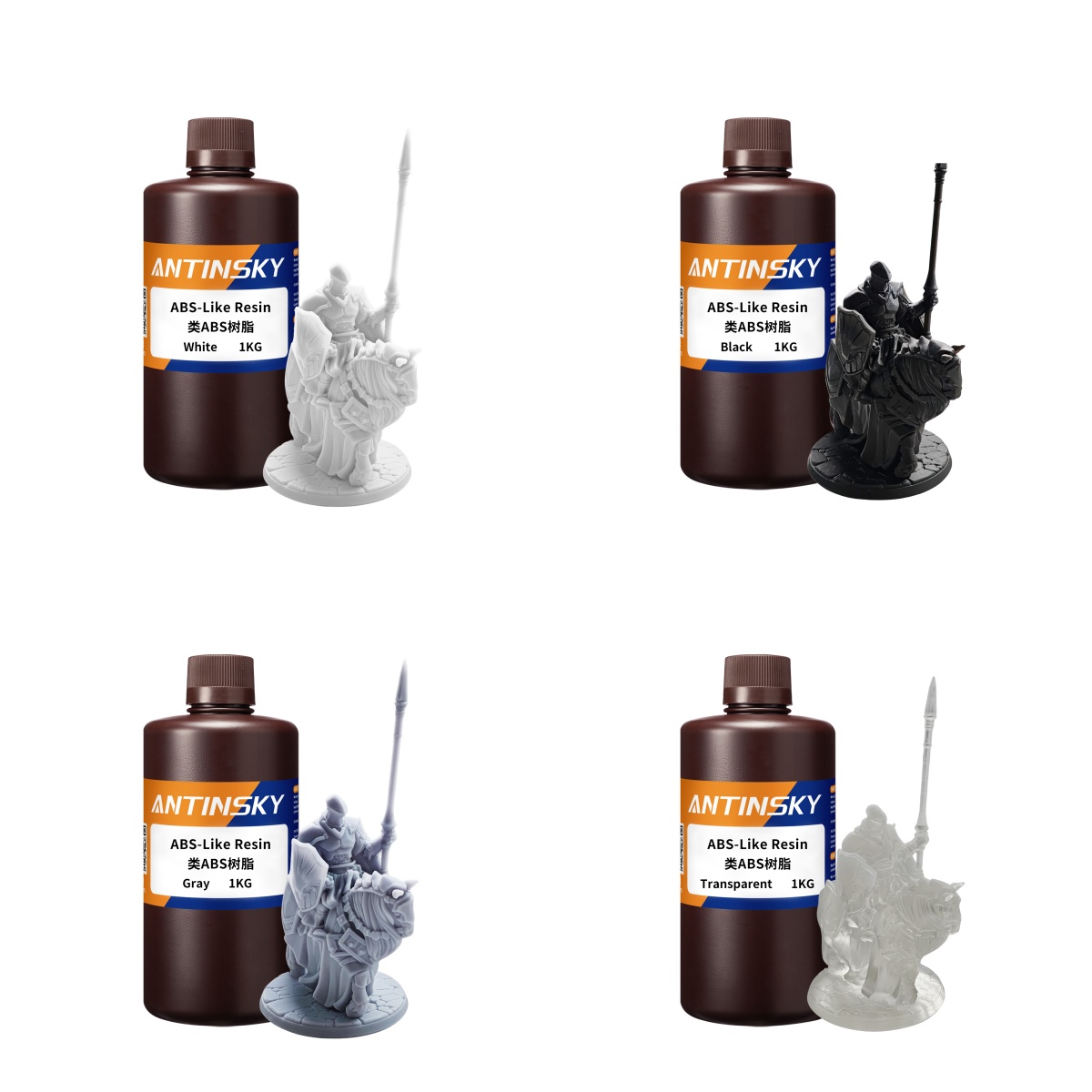
ANTINSKY ABS-like Resin currently offersWhite, Black, Gray, Transparentand other color options.
White
is suitable for structural presentation, product prototypes, and subsequent painting.
Gray
is suitable for industrial design validation, where details and structural layers are more intuitive.
Black
is suitable for mechanical structures, electronic product housings, and other industrial-style prototype presentations.
Transparent
is suitable for applications that require observing internal structures or pursuing special visual effects.
From engineering validation to product presentation, the appropriate color scheme can be selected according to different projects.
From "can be printed" to "can be validated," 3D printing is entering the core product development process
In the past, 3D printing was often used to create models.
Today, with continuously improving material performance and ongoing development of printing equipment, 3D printing is becoming an importantrapid validation tool
A product going from concept to mass production typically needs to go through:
Design → Print → Assembly → Test → Modify → Reprint
This is where the true value of 3D printing lies.
Whether a designer is validating a new product, an engineer is testing a new structure, or a company hopes to quickly obtain physical samples before mold production, ABS-like Resin can serve as an efficient material choice in the product development process.
Make every print not just a model.
But let design truly enter reality.
Learn more about ANTINSKY ABS-like Resin